
When Caring Turns into Carrying – Emotional Boundaries 101
Caring for others is a beautiful part of being human. Many of us take pride in being supportive friends, attentive partners, devoted parents, or dependable family members. Compassion connects us. It gives meaning to relationships and helps people feel seen and safe.
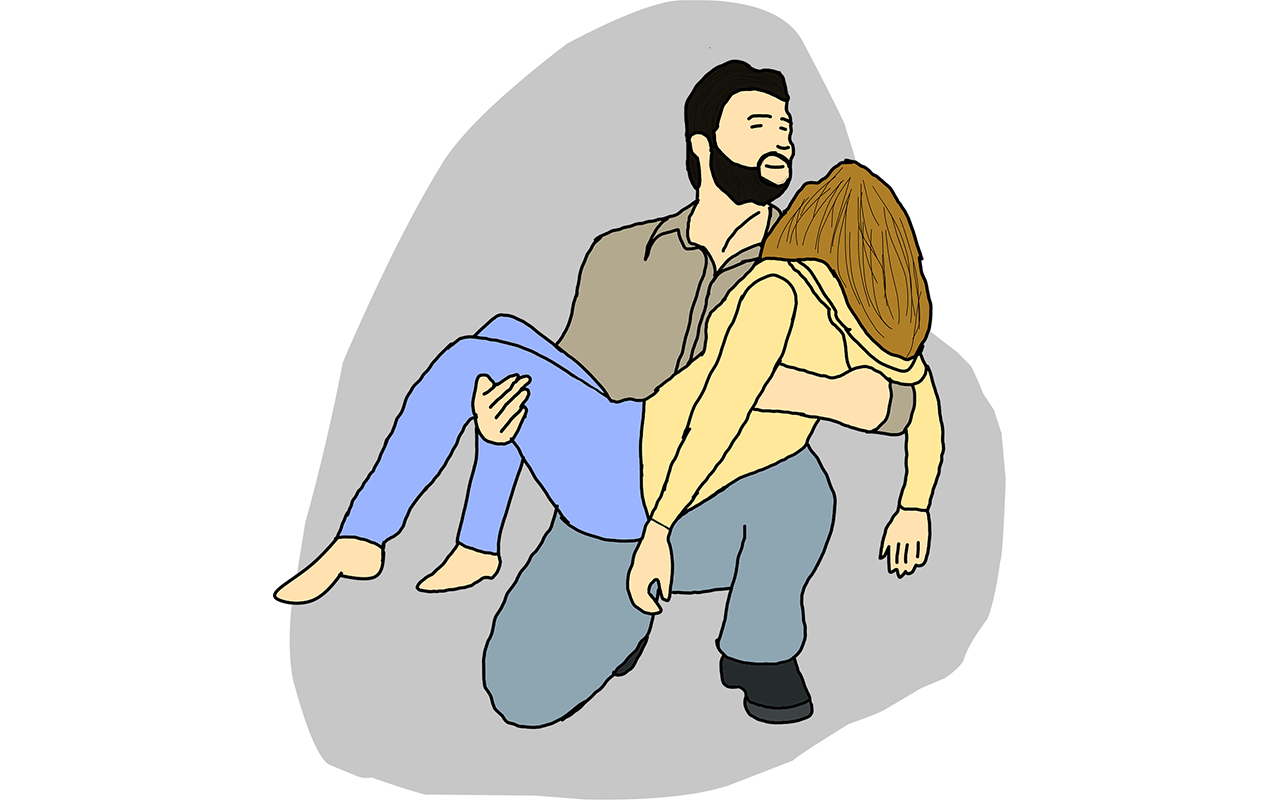
But sometimes, without realizing it, caring quietly shifts into carrying.
Instead of offering support, we begin holding emotional weight that was never ours to manage. We absorb stress that does not belong to us. We feel responsible for fixing moods, solving problems, or preventing disappointment. Over time, kindness becomes exhaustion.
Learning emotional boundaries does not mean becoming distant or cold. It means caring in a way that protects both people involved.
The Difference Between Caring and Carrying
Caring says, “I am here with you.”
Carrying says, “I must make this better for you.”
When we care, we listen, empathize, and offer presence. When we carry, we feel anxious if someone else is upset. We replay conversations long after they end. We may even neglect our own needs while trying to stabilize someone else’s emotions.
A helpful question to ask yourself is: Am I supporting this person, or am I trying to manage their emotional experience?
The first builds connection. The second drains it.
Why We Slip Into Carrying
Many people learn early that love is tied to usefulness. Perhaps you were praised for being responsible, mature, or emotionally strong. Maybe you became the peacekeeper in your family or the friend everyone relied on.
These patterns often come from kindness, not weakness. Yet without boundaries, empathy can turn into self abandonment.
You are allowed to care deeply without becoming emotionally overextended.
Signs Your Boundaries Need Attention
You might notice emotional carrying when:
• You feel guilty saying no
• Someone else’s mood determines your own
• You feel responsible for solving recurring problems
• Conversations leave you drained rather than connected
• Rest feels undeserved when others are struggling
These signals are not failures. They are invitations to rebalance.
What Healthy Emotional Boundaries Look Like
Healthy boundaries sound gentle, not harsh.
You might say:
“I care about you, and I trust you to handle this.”
“I can listen right now, but I cannot fix this for you.”
“I need some time to recharge before continuing this conversation.”
Boundaries do not remove compassion. They allow compassion to last.
When you stop carrying what is not yours, you create space for others to grow into their own strength.
Practicing Compassion Without Self Loss
Emotional boundaries begin internally. Before responding, pause and check in with yourself:
What am I feeling right now?
Do I have the energy for this conversation?
Am I offering support or trying to rescue?
Sometimes the most loving thing you can do is remain present without taking control.
You are not responsible for managing every emotion around you. You are responsible for caring for your own wellbeing too.
And when caring no longer feels heavy, connection becomes lighter, healthier, and more sustainable for everyone involved.
Related Posts





Daisy Brained
Sign up with your email and always get notified of Daisy Brained articles!
Latest Post






What I Learned From Listening to Myself
Discover what self discovery can teach you when you begin listening to your inner voice through journaling, reflection, and emotional awareness.